
Think about the last meeting that left you rattled. Where was your attention? Did you focus on the colleague whose voice tightened? Or on your boss scanning the room? Were you trying to read the team member who went quiet? Or wondering whether you had said too much… or not enough?
Now ask yourself: how much of your attention was on you?
For many of the leaders I coach, especially the warm, attuned, relationship-centered ones, the answer is “almost none.” That is what this blog series is about.
In each of my next four articles, I’ll walk through what I call the Four Habits of Attention: Core, Ground, Edge, and Me/Not Me. This post is an overview. The articles that follow will go deep into one habit at a time.
Where your attention goes, your power follows
Your ability to notice is what we commonly call attention. Where you place it shapes how you show up. And how you show up is your power and influence.
Picture two leaders walking into the same tense meeting. One has her attention locked on the shaking voice across the table. The other has her attention anchored in her own breath, her feet, her sense of what matters. Each has an entirely different presence, and everyone in the room feels this difference even if they can’t name it.
Most of us don’t think much about this. We don’t choose where our attention goes, and until we start to track it, attention seems to be an automatic response. This is because where we place our attention is dictated by habits we learned early, often before we had language, and based on what kept us safe. I call these default settings patterns of attention. A child who learned that they could keep the peace by making everyone happy becomes an adult who reads every room in a blink but who never learned to read herself.
Developing that pattern was a brilliant achievement at the time. It also built real strengths, like empathy, attunement, and the ability to earn trust. But as responsibility grows, the shadow side reveals itself and starts to take its toll. Decisions stall. Boundaries blur. Important feedback gets softened until it disappears. And you notice yourself taking other people’s problems home.
If this sounds familiar, I have great news for you: You are not your pattern. You use your pattern, yes. And what you use, you can learn to use differently.
Why more skills aren’t the answer
Most leadership development is what researchers call horizontal. It adds skills and competencies: learn active listening, practice empathy, use this feedback model, etc. Horizontal development is valuable, and for many leaders it’s exactly what they need.
But there is another kind of growth, called vertical development. This type of development isn’t about what you know. It’s about how you make meaning: the lens through which you see yourself, other people, and your role.
This is where adult development theory comes into play.
Harvard developmental psychologist Robert Kegan described a key move in adult growth as the subject-object shift (In Over Our Heads: The Mental Demands of Modern Life, 1994). When we are subject to something, it has us. We can’t see it; we can only see through it. When it becomes an object, though, we have it. We can look at it, name it, and work with it.
Many relational leaders are subject to their relationships. Other people’s reactions, moods, and expectations organize their choices behind the scenes. That’s why relational leaders can master an assertiveness script during a leadership development workshop and still not be able to use it during a real conversation with their team members. Using it threatens the self they have built. They have been handed a horizontal tool to solve a vertical challenge.
And here’s the deeper reason this isn’t a problem that can be solved through ordinary skill development: this shift doesn’t happen in the head alone. Insight is not enough. Our patterns live in the body, in the tight chest before a hard conversation and the shrinking feeling when we imagine disappointing someone. The Four Habits bring you back to your body when you choose to shift your patterns.
The Four Habits of Attention
If patterns of attention are the grooves we fell into early in life, the Four Habits are the ones we choose to wear in on purpose. I think of them as home: the place we learn to come back to, again and again, especially under pressure. They are simple, physical, and they can be practiced. Each one asks a gentle question.
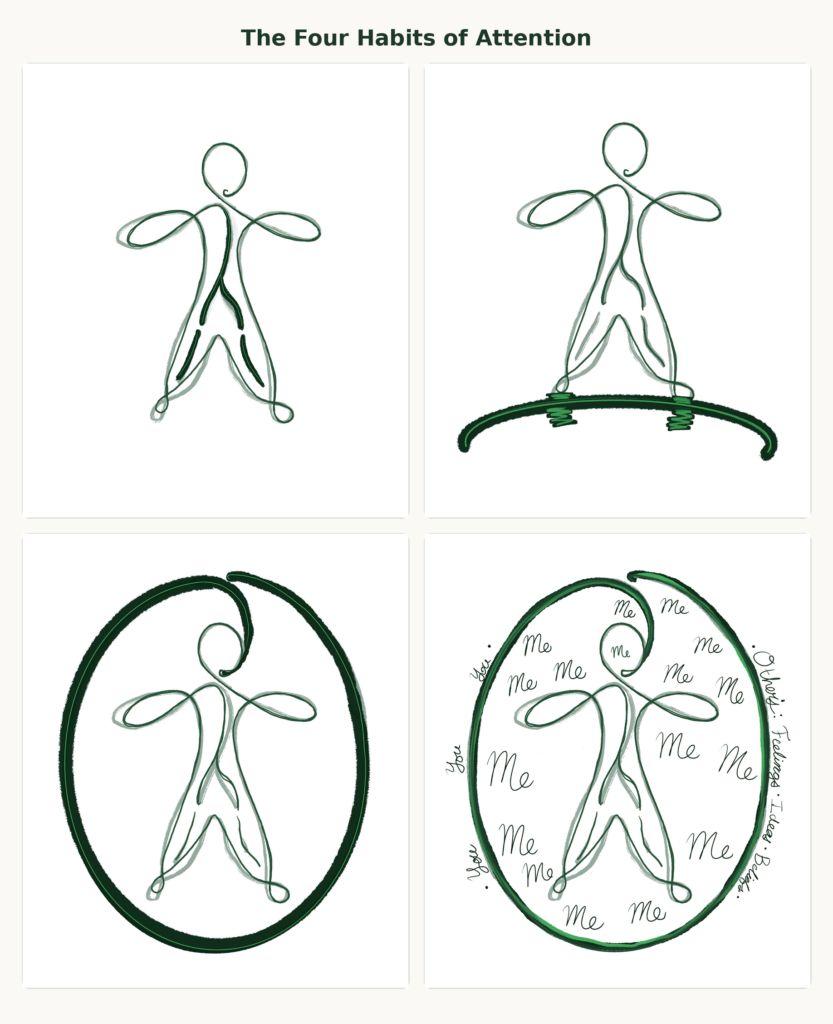
Core: What is true for me? Core is your center, the bones running through the middle of your body, where you are most you. Attention on Core clarifies what you believe and what you stand for. It lets you hold your own perspective while staying genuinely curious about someone else’s.
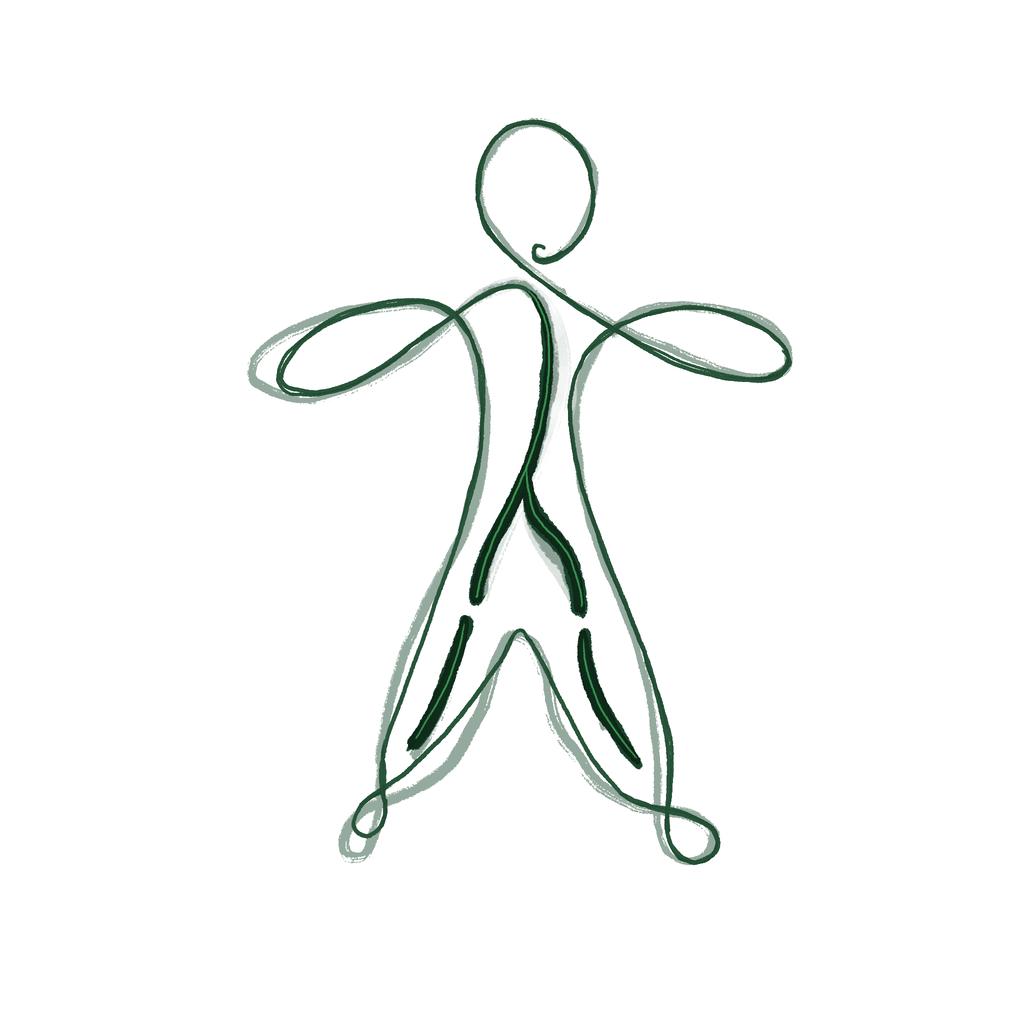
Ground: Can I stay present? Ground anchors your Core to the earth beneath you. It gives you stability when the group heats up with competing priorities, urgent asks, and emotions are in the air. Ground is what keeps you steady instead of swept off balance.
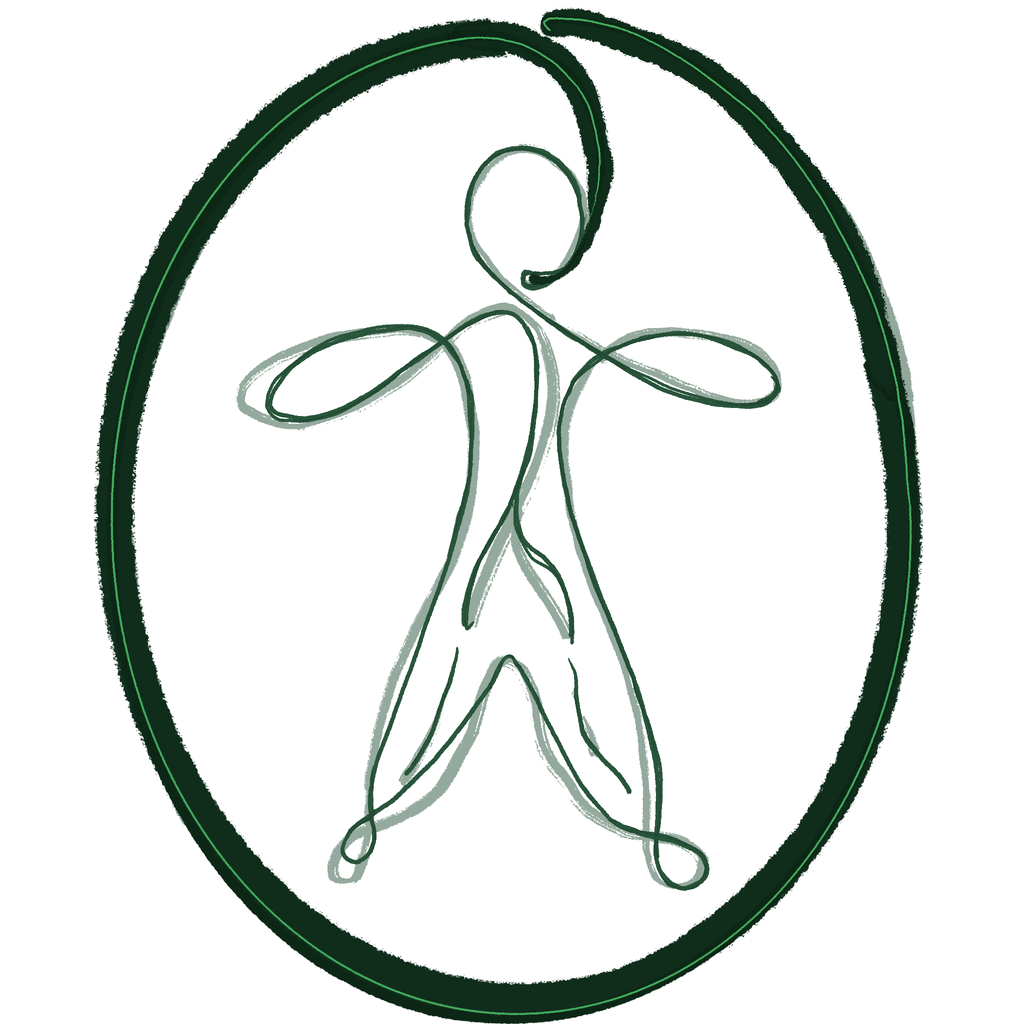
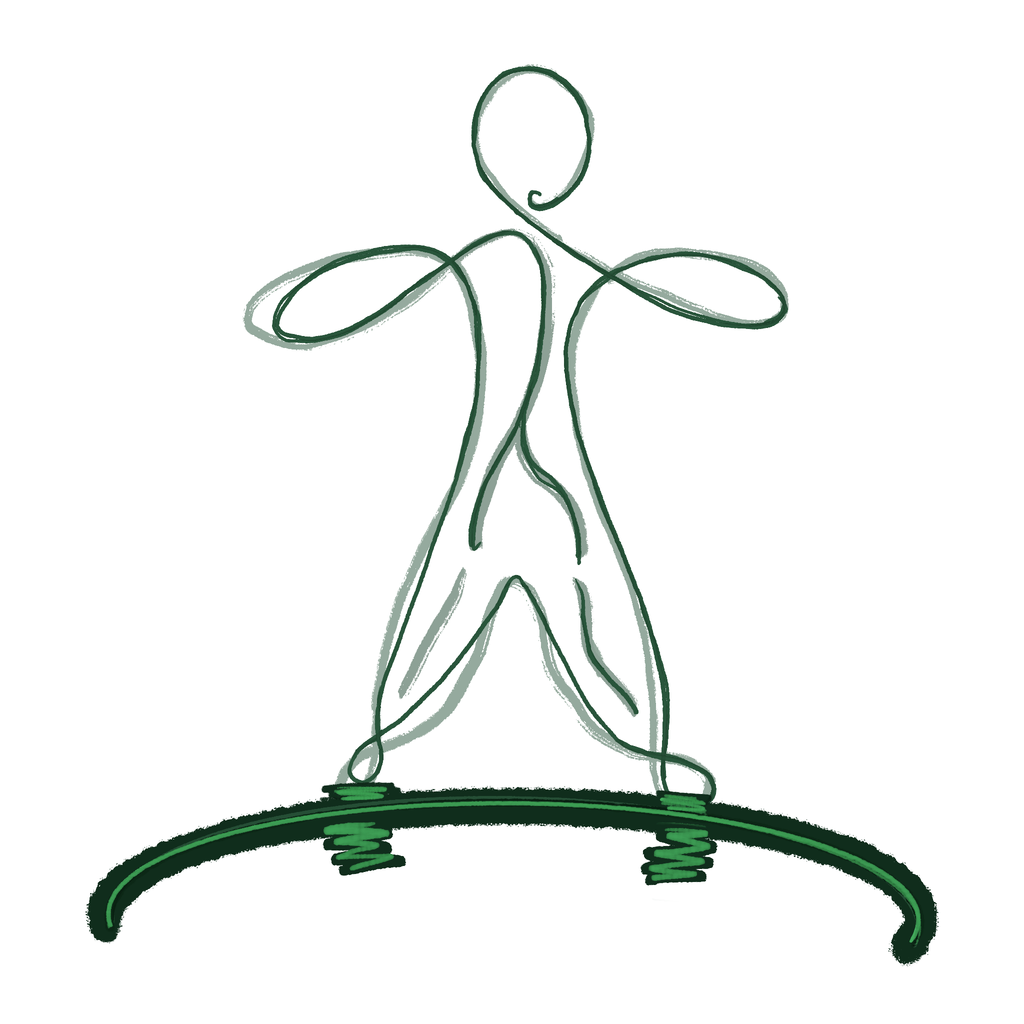
Edge: What are my limits? Edge is the boundary of your personal space and the limits that protect what matters most. What is my no? What do I let in, and what do I keep out? Edge protects what Core has named as important, even when it means disappointing someone.
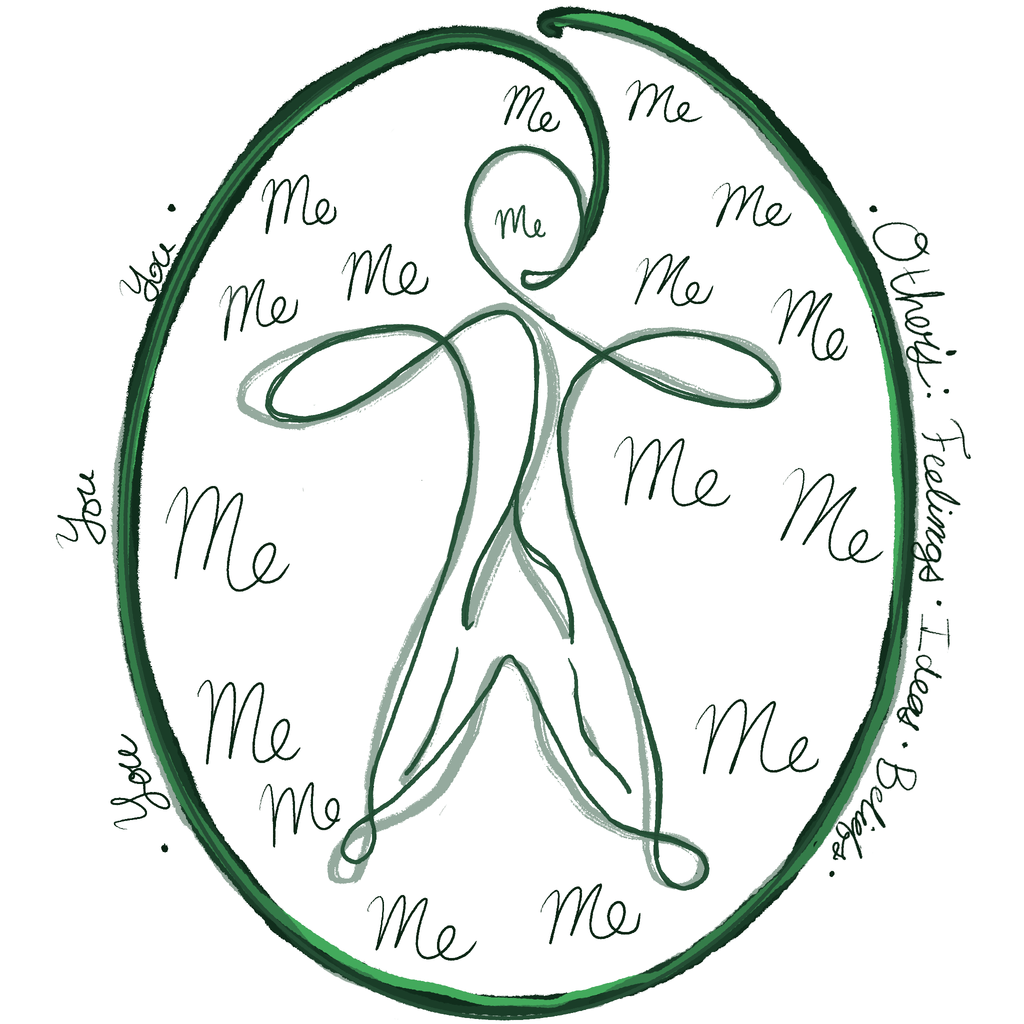
Me/Not Me: What belongs to me? Me/Not Me is the habit of discernment. It separates your emotions, responsibilities, and voice from everyone else’s, so responsibility can land where it belongs. You stop absorbing your team’s anxiety and start supporting people as they own what’s theirs. (That relentless inner critic is often a Me/Not Me moment. Remember, the voice may not be yours at all.)
These habits don’t stand alone. Practiced together, they let you provide direction and clarity, set and hold a boundary under pressure, speak hard truths clearly and constructively, and tolerate the discomfort of disconnection. Simply put, they give you power and influence.
What this looks like in practice
Recently I worked with a client who was doing everything at once. She had a demanding senior role, a new start up on the side, several board positions, and a young family at home. As she talked, I could feel how scattered her energy was.
So instead of asking coaching questions straight away, I first offered a short centering practice built on the Four Habits. When we finished, I asked what she noticed.
“I’m trying to do too much,” she said. Then, with a clarity she hadn’t had a few minutes earlier, she named what she was ready to let go of and what she actually wanted.
That insight wasn’t new. She just needed to come home to herself long enough to hear it.
That’s the promise of the Four Habits. You don’t need a new strategy or a new set of skills. You need a practice offering a way of coming back to yourself, so you can do what you already know how to do.
Over the next four months, we’ll take each habit in turn: what it is, why it’s especially hard for relational leaders, what it makes possible, and a simple practice to try.
In the meantime, try this. Before your next difficult conversation, pause. Notice where your attention is. How much of it is on you?
Just notice. There is no right or wrong. Only data.